
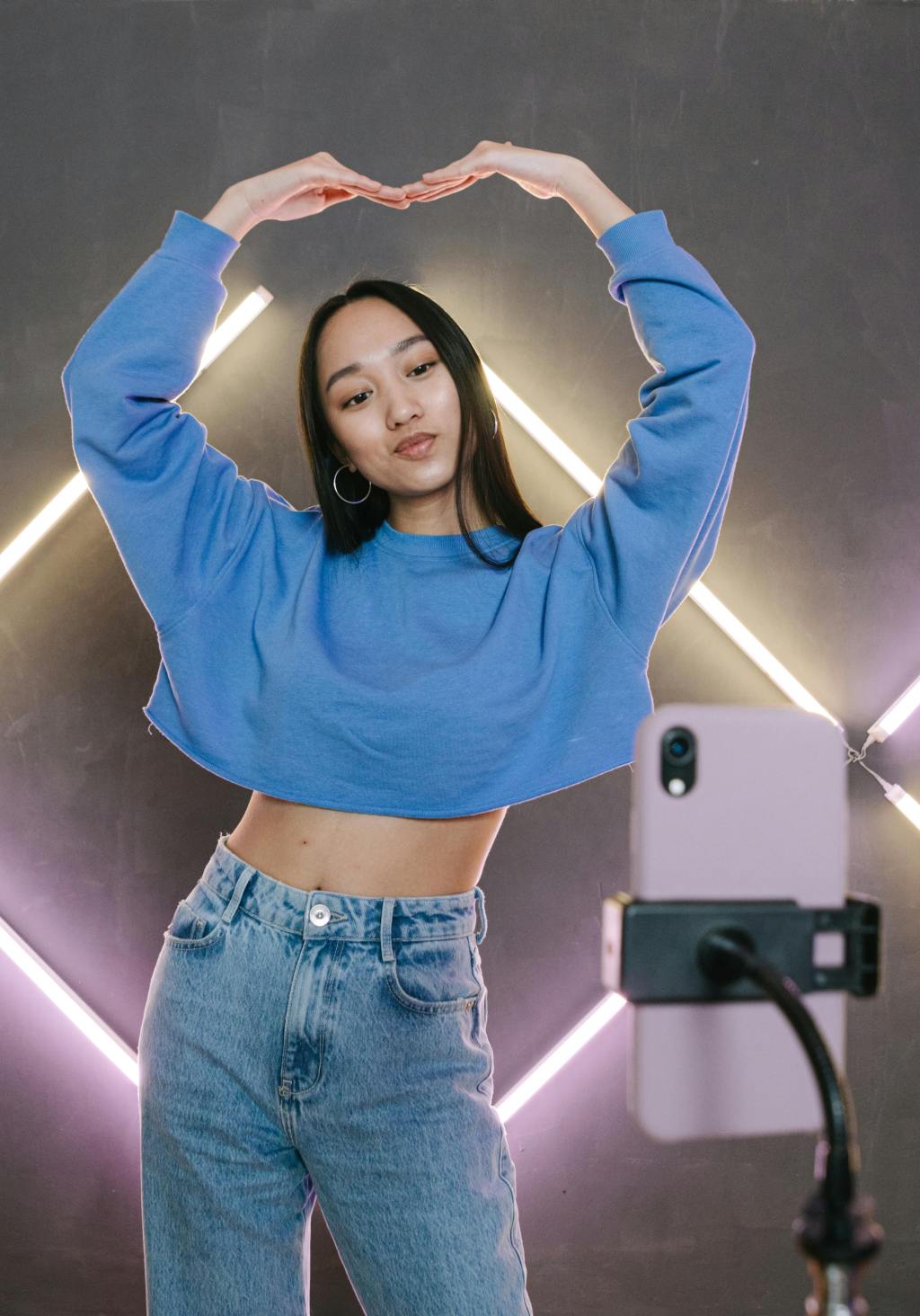
The authenticity of influencers has always been at question, so why do we still trust them?
This is a question commonly asked by us internet users. If we already know that trust is rare in the social media community, why do we still trust these online people so easily?
Well this is all due to how these people present themselves online. Compared to traditional celebrities, we are more likely to trust an influencer due to their frequent interaction with their followers and this sense of belonging that follows. This leads to the development of parasocial relationships (one-sided relationships) between the audience and the influencer and is also a factor on why sponsorships are so successful with influencers.
Since an influencer provides information about product features and shares their personal experiences, they are perceived as trusted sources and deemed as an opinion leader, making the sponsored products more likely to be bought. From the communication exchange perspective, advertising can be viewed as a process of information exchange and relationship building between advertisers and consumer, which could bring value to consumers and thus make the consumer more likely to trust and buy the product Compared to the 2015-2019s when advertising a product was mainly up to traditional celebrities, influencers now present themselves as more natural and ‘real’.
They share moments and decisions with their followers and often ask for their opinions. These simple interactions are what makes them more convincing and trustworthy than previous stars and allows them to spread advertising messages to the viewers in a more authentic and natural way. This is shown through a survey where 70% of adolescent Youtube subscribers say they relate to influencers more than to traditional celebrities and 63% of Gen Zs prefer to see influencers in ads.
To add to this, the increase in the amount of younger people on social media is potentially harmful. Unlike the older audience, the younger audience (especially early adolescence, 10-13) is easier to target as they are more trusting and don’t fully understand the dangers of social media yet.
The younger audience are also more prone to developing these parasocial relationships (PSR) which creates vulnerability and leads to them blindly trusting these influencers.
Studies say that social media influencers can exert a greater influence over adolescents than peers and family members do. This is due to their parasocial relationships with the influencer but also their own insecurities. For example, one of the factors leading to a parasocial relationship is homophily, which refers to perceptions of similarities between influencers and their followers regarding attitudes, values, morals, appearance and backgrounds etc.
Similarity is crucial, especially when it is an insecurity of yours because it creates this sense of belonging and that you’re not alone, giving the influencer credibility and could potentially lead to a PSR.
However, although there are a lot of things we should be wary of with social media influencers, they have also raised awareness to many health issues/ mental health issues and have helped a greater number of people to understand and learn how to cope with problems. For some people, these influencers can provide a community for them and help make them feel more involved and feel connected with the people around them.
Some influencers also provide information on health and wellbeing and have made people realise that a lot of the past beauty standards are unachievable or can cause a huge risk to your health and life in general. I feel like this is a good step away from the era of photoshoppers and unrealistic body/ lifestyle ideas.
By Yuki!


 Sheffield English Tutor
Leave a comment