
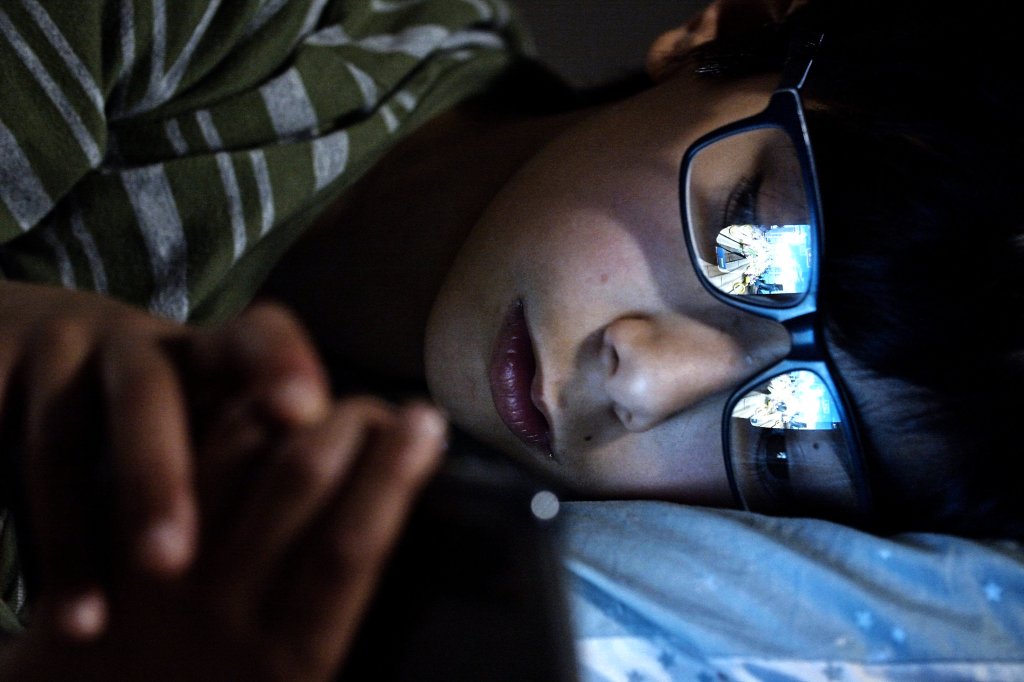
During the pandemic, the gaming industry was rising at a quick pace. Everyone stayed at home locked on their screens, entertaining themselves. That is until this led to pure chaos.
“I didn’t know what was happening,” recalled Dee in tears, who lives in the West Midlands, “it’s the worst nightmare a mother could ever think of.” Paramedics had arrived at her house at 2am in the morning, which is when she found out how bad it had gotten. Her son, Jake, would always lock himself in his room playing video games. He wouldn’t shower unless Dee said so, would eat food at high speeds and would often bolt back into his room to keep gaming.
A few days before, Dee had asked Jake to do a simple job: fix her some rice to eat before she gets home. If you guessed it, he did not because he was busy gaming in his room. Obviously Dee got angry and took his laptop away. For her, this decision haunts her to this day.
Over the next few days, Jake sent distressing messages to his girlfriend on the app Discord. He complained about his mother to his online friends, and for some reason he took a knife to his bedroom. It came to the point where his girlfriend feared for his safety and called the ambulance.
These are signs of gaming addiction.
Similar to gambling addiction, it is where someone is constantly thinking about gaming and it affects their routine life. According to Urban Recovery, 8.5% of children and adolescents show signs of gaming addiction. Ever since the pandemic, the number of people addicted to gaming has risen rapidly. As of 2025, the NHS treats around 3000 gaming addicts a year. In country stats, South Korea has the highest number of gaming addicts with up to 10% of the population showing signs of gaming addiction. However, in Norway, there are only around 0.3% of the population addicted to gaming.
If you think your child has gaming addiction, here are the usual symptoms:
Playing games in secret (at night)
Not paying attention to hygiene
Tries to avoid school
Doesn’t want to see friends
Having difficulty sleeping
If you want your child to avoid getting addicted to video games or to heal them from the addiction, you can go to the nearest NHS mental health service or you could do it yourself. Tell them the bad sides of gaming or take them outside more to prevent the addiction.
Jake is now 21 and studying game design and programming at a university. He wrote to his mom that he wants to create games that have a positive impact on mental health. Dee had taken him to a national centre for gaming disorders to receive treatment. Although resistant at first, he has now slowly come out of the addiction and now he actually listens to Dee and has good grades at school.
Dee credits the clinic that treated Jake’s addiction and tells all parents to never give up on stopping children from being addicted to gaming.
“I’d say to all parents, please don’t ever give up. It’s worth fighting for. And it does work,” Dee says, “We’re the living proof that it can work.”
By Kingsley.
Links to research


 Sheffield English Tutor
Leave a comment